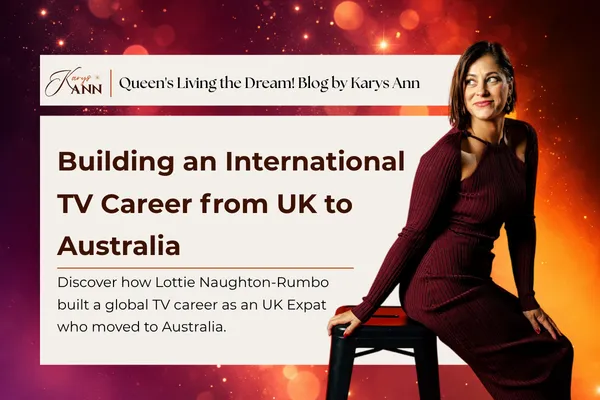
Building an International TV Career from UK to Australia
Television, International Careers
Building an International TV Career
From Australia:
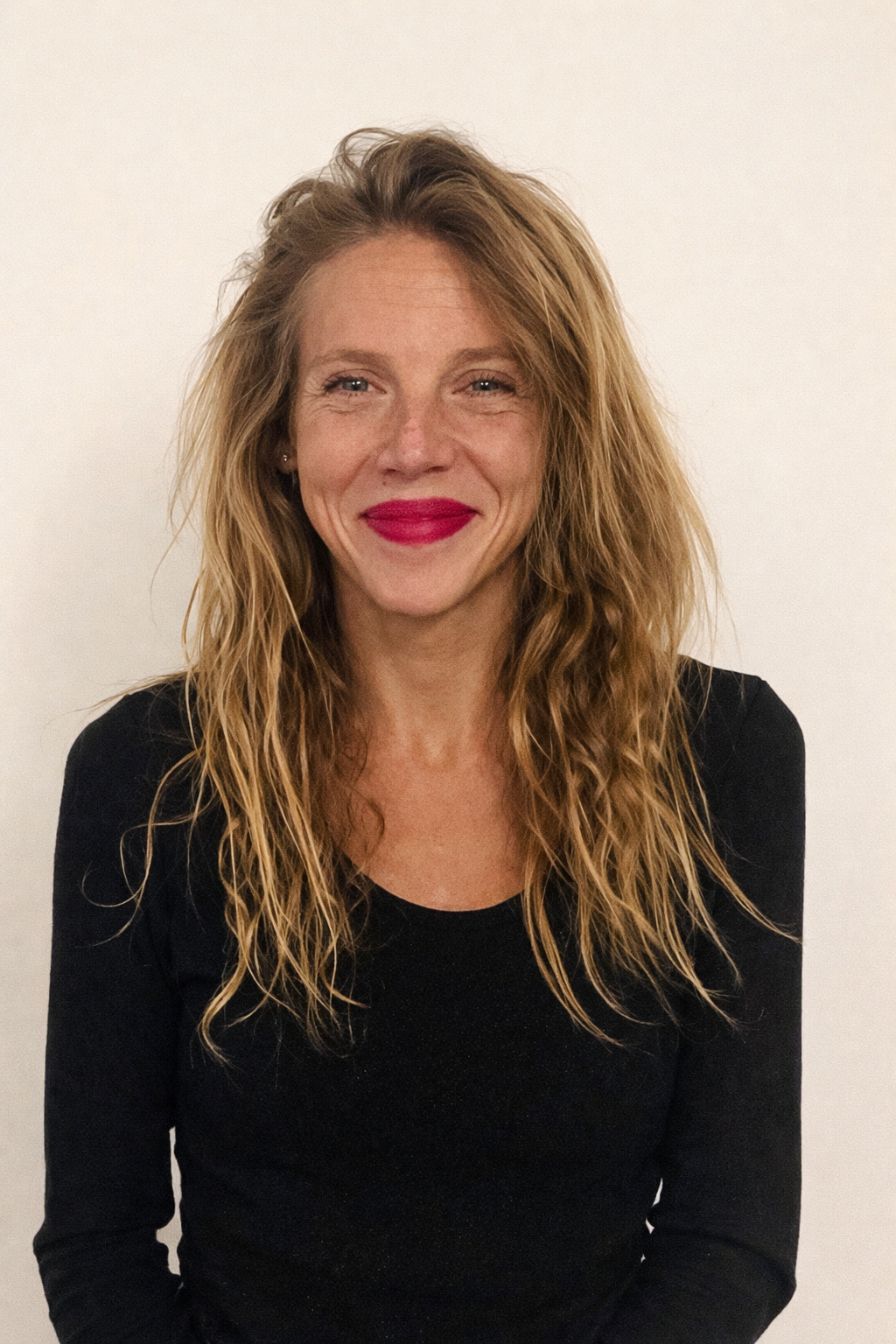
An Interview With
Lottie Naughton-Rumbo
From a distant “regional” market to the global screen, Australian talent is refusing to wait for permission. In this bold conversation, TV producer and development dynamo Lottie Naughton-Rumbo proves that an international television career can be built from the Land Down Under – and that geography is no longer an excuse.
Starting a Global TV Journey From the Edge of the Map
Q: You’ve built a career in television development while living in Australia and working internationally. Was that always the plan?
Not at all. If anything, I spent a long time thinking the industry only really existed somewhere else.
Television development is still heavily centred around places like London and LA, so trying to build an international career from Australia often felt slightly backwards. But over time I realised there’s no such thing as a perfect path into this industry. You either wait for ideal circumstances forever, or you start building anyway. If anything it made me work harder - developing projects internationally, pitching formats across multiple territories and having conversations with companies and executives I once never imagined having access to. If you don’t ask you don’t get, and people can’t know you’re good unless you show them.
Q: You’ve recently had interest from major US companies including FOX. What has that experience been like?
Surreal. A couple of years ago I was invited for coffee to meet the CEO of FOX during a trip to LA, and from that I was asked to ink a development deal with the network. And now I’m also in conversations with NBCUniversal. All this has been proof that good ideas and strong development instincts can travel. The industry is still relationship-driven, but increasingly it’s also global. People are constantly searching for original voices, commercially viable formats and producers who understand audiences internationally. Sometimes the industry can feel so far away, but it helps me remember it’s only geographically. Thankfully we have modern tech now to bring everything and everyone together!
Q: What kind of projects are you most drawn to developing and have you got anything exciting in the pipeline?
Primarily unscripted and factual entertainment formats. I love projects that have a strong emotional hook or a clear social observation underneath them.
A lot of the concepts I’m drawn to sit somewhere between entertainment and human behaviour — shows that feel commercially accessible but still say something about the way people live now. I’m also very interested in where television is heading structurally, particularly around creator-led content, branded entertainment and how younger audiences are changing viewing habits. I’m working with Comic Relief in the UK to help take what is essentially a legacy show, one that is slowly dying when it comes to viewing figures (and subsequently donation amounts), online. They need to modernise and fast, and I’m helping them do so.
One of my favourite projects on the go at the moment is a show I have with Wonwoo Park, the creator of the Masked Singer. We are co-developing it together. Working with someone with that much industry kudos feels next level for me. It’s also great to be exposed to the Korean market, especially when so many formats that travel now originate there.
Q: Has working internationally changed the way you think about television?
Definitely. Different markets respond to different things, but audiences everywhere still fundamentally want emotional connection and strong storytelling. Living in Australia has probably made me more adaptable because you can’t rely on proximity alone. I make sure I am constantly up to date with all the markets all the time. You have to actively create opportunities, maintain international relationships remotely and constantly think globally rather than locally.
Q: What’s been the hardest part of the journey?
Probably resilience. Development is an industry built around uncertainty. Projects fall apart all the time, ideas take years to gain traction and rejection is constant. There are moments where things move incredibly quickly and moments where nothing appears to happen at all.
I think people often underestimate how much persistence creative careers require. Most careers in television are built over years of continuing despite setbacks, not because somebody suddenly hands you permission to succeed.
Q: What advice would you give to somebody trying to build a creative career outside the traditional system?
Don’t assume geography automatically determines possibility. For a long time I thought I had to choose between where I wanted to live and the career I wanted to build. What I’ve realised is that there are increasingly more ways to work internationally than people think, particularly in creative industries. If you are good, make sure people know about you. As soon as they realise, they won’t care where you are based! But it’s getting yourself noticed that will carry you further.
Ultimately, the path might look unconventional, but unconventional doesn’t mean impossible.
